Practical initiatives bridging plant research, nursery propagation, and ecological restoration on the ground.
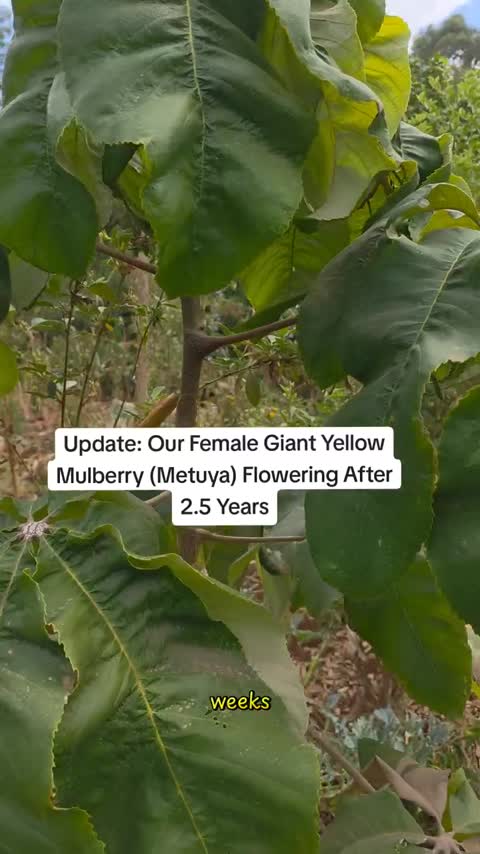
Two weeks ago, we showed you the male flowers of Metuya. Today, we have the female flowers, and this plant is only 2.5 years old!
Not every tree needs to grow tall to be useful. Croton dichogamus is an indigenous African shrub or small tree adapted to dry environments, making it an interesting species for landscaping in Kenya’s arid and semi-arid areas.
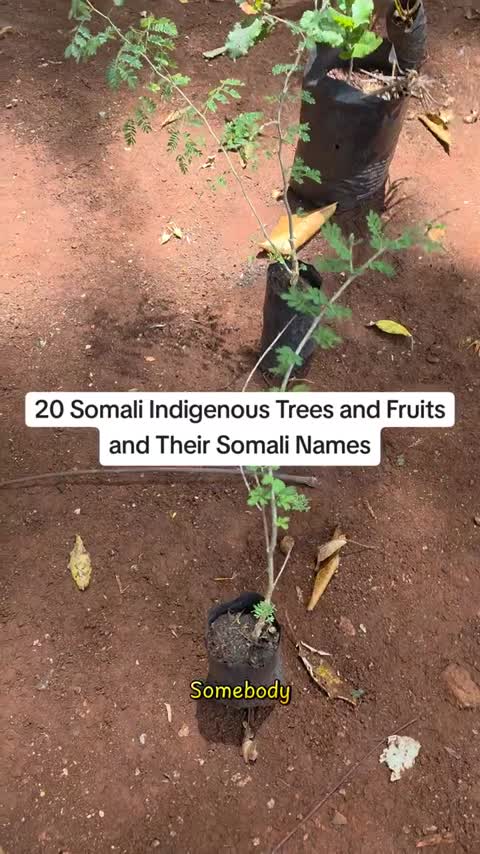
Somali communities have a rich relationship with indigenous trees that provide food, livestock fodder, shade, gum and other valuable resources.
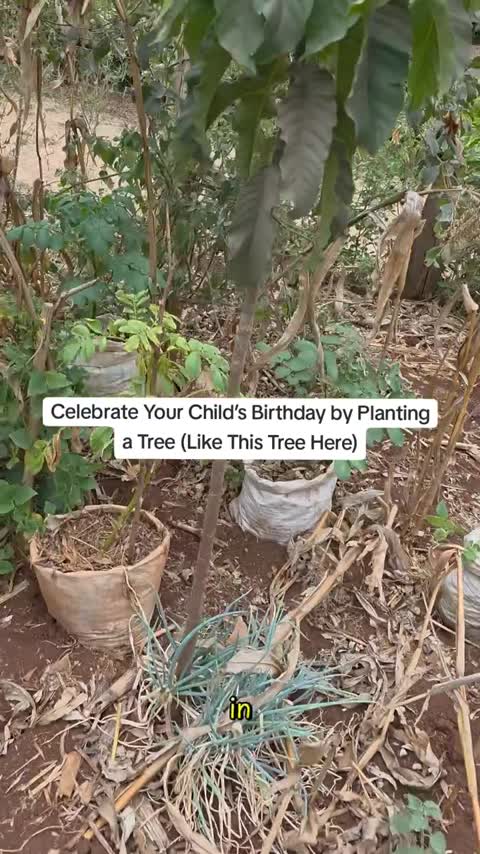
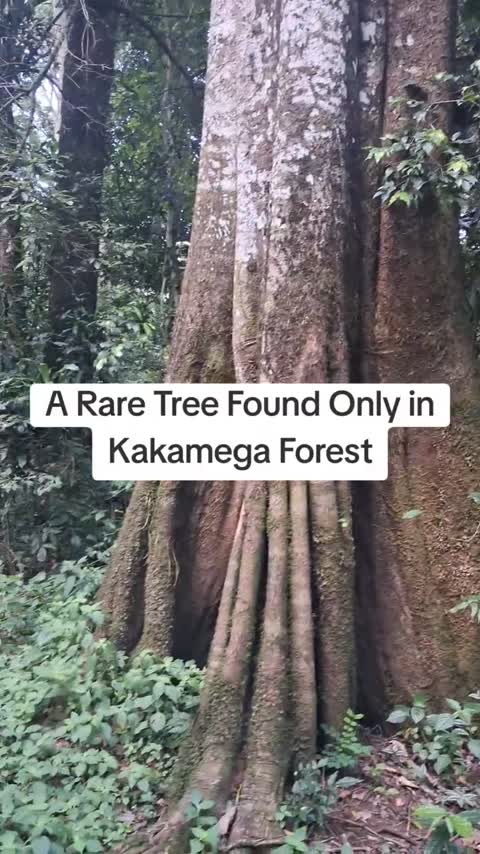
Unfortunately, Mvule is threatened by overexploitation for its highly valued timber and the loss of natural forest habitats. Protecting existing trees and planting new ones can help secure its future.
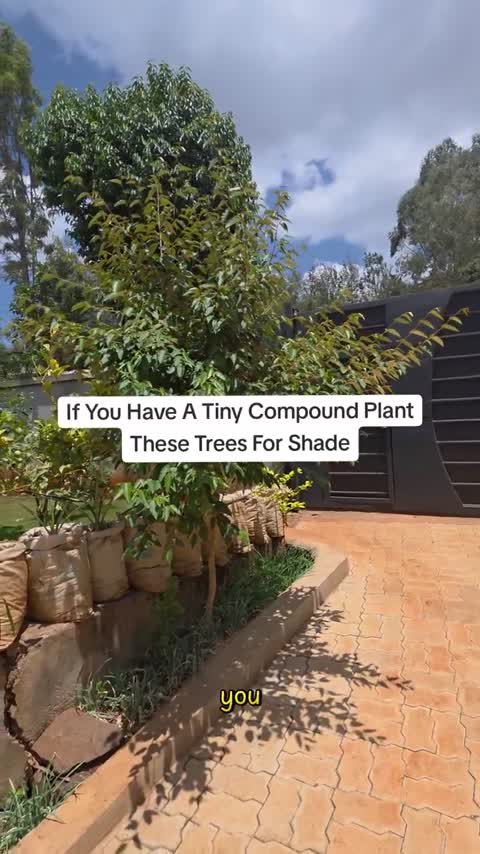
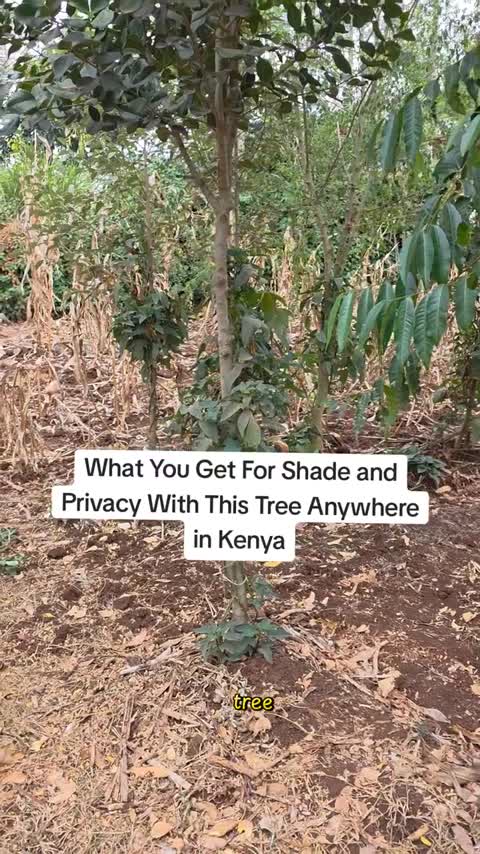
This indigenous tree grows in a range of environments, from dry lowland areas to the highlands. Its leafy growth can help create a green screen around compounds, making it useful for privacy, while its canopy provides shade as it matures.
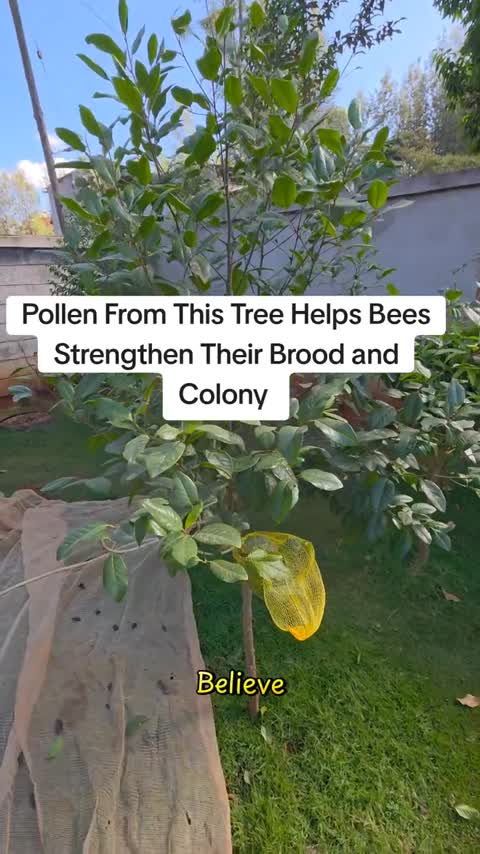
This is a remarkable indigenous tree that can grow into a very large tree. Its flowers provide forage for bees, while its trunk has traditionally been used to make beehives.
Have you ever come across a tree that can grow to around 50 metres tall? Meet Aningeria altissima, an impressive indigenous African tree belonging to the Sapotaceae family.
Did you know that one indigenous tree can support honey production while also producing timber that was once highly valued for making wagon wheels?
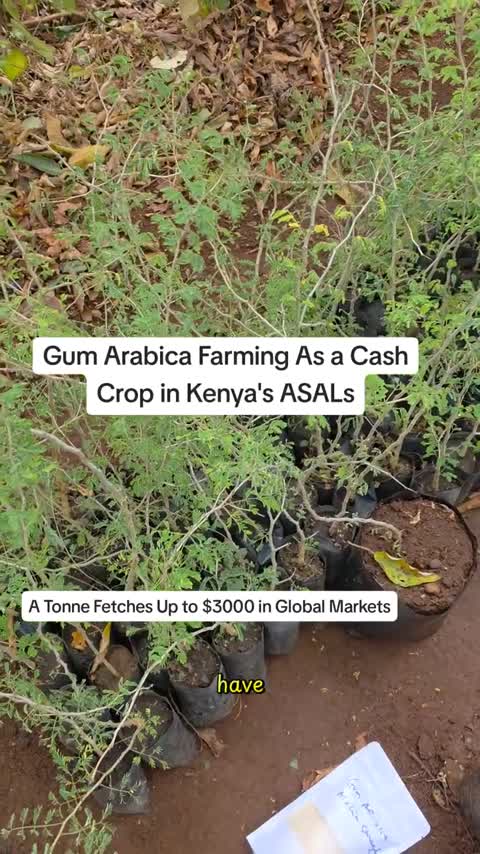
Acacia senegal is the tree that produces commercial gum arabic, an important natural product used in the food and manufacturing industries.
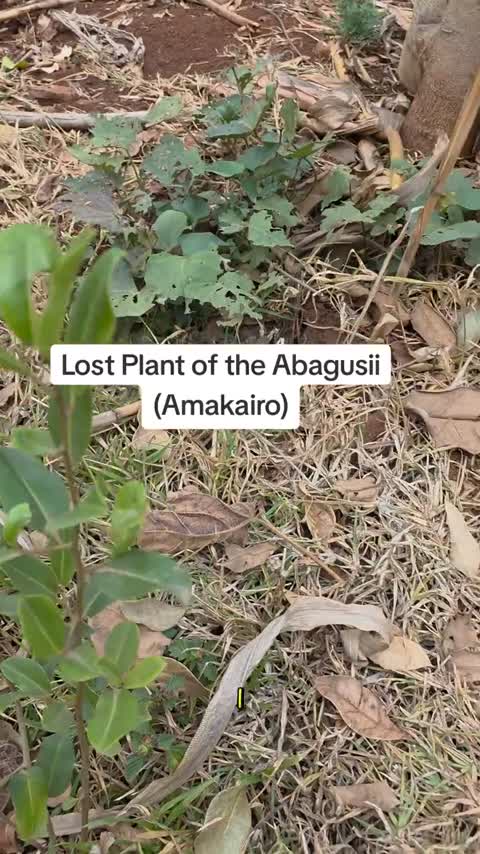
Embelia schimperi, known as Amakairo in Ekegusii, is an indigenous African plant with an interesting place in traditional food knowledge among the Abagusii.
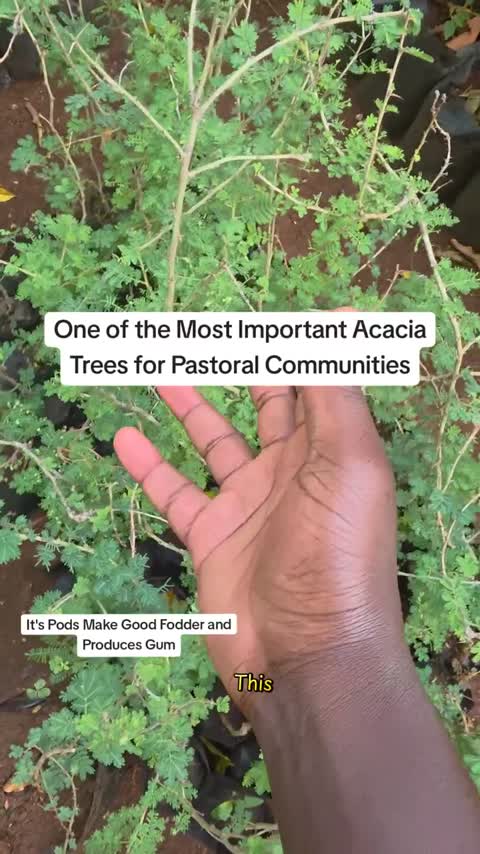
Acacia tortilis is one of the most important indigenous trees among pastoral communities in Kenya. It is known as Otiep among the Luo, Oltepes among the Maasai, and Mugaa among the Mbeere.
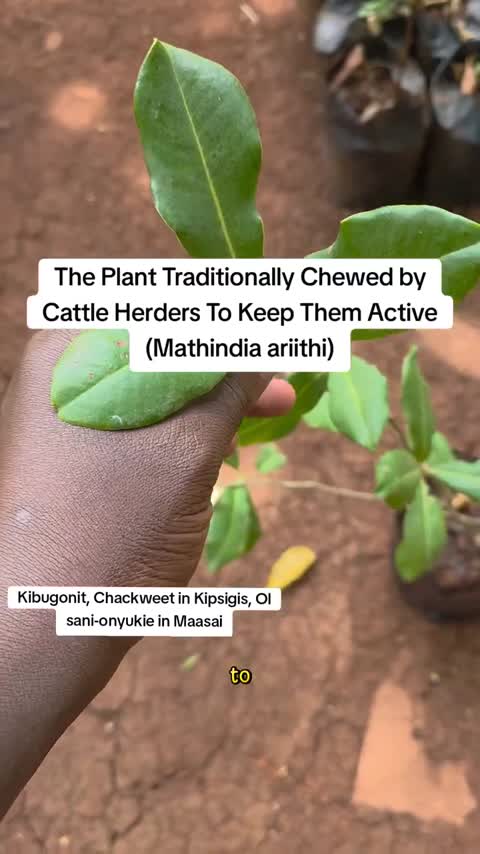
The Plant Traditionally Chewed by Cattle Herders
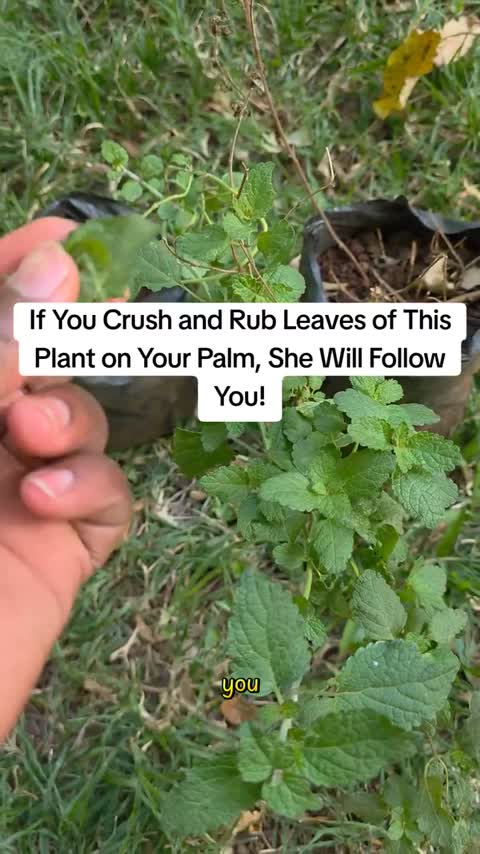
If You Crush and Rub the Leaves of This Plant on Your Palm, She Will Follow You!
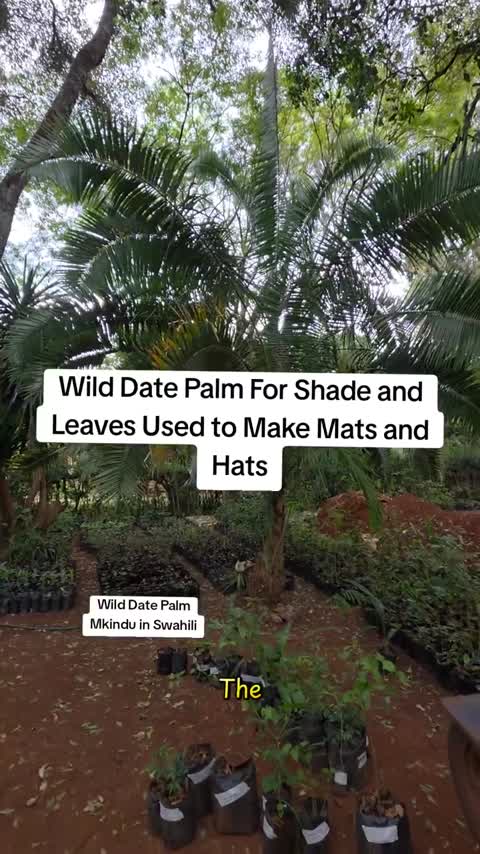
The Indigenous Palm With Edible Fruits and Many Traditional Uses